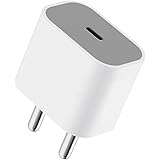
Ambrane Unbreakable 60W Fast Charging 1.5M Braided Type C to Type C Cable for Smartphones, Tablets, Laptops & Other Type C Devices, PD Technology, 480Mbps Data Sync (RCTT15, Black)
₹129.00 (as of October 27, 2026 17:07 GMT +05:30 - More infoProduct prices and availability are accurate as of the date/time indicated and are subject to change. Any price and availability information displayed on [relevant Amazon Site(s), as applicable] at the time of purchase will apply to the purchase of this product.)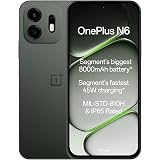
OnePlus N6 | 6GB+128GB | Midnight Green | Segment's Biggest 8000mAh Battery | Segment's Fastest 45W Charging | 60-Month Smoothness | Smooth 120Hz Display | 50MP Camera | Military-Grade Durability
₹26,999.00 (as of October 27, 2026 17:07 GMT +05:30 - More infoProduct prices and availability are accurate as of the date/time indicated and are subject to change. Any price and availability information displayed on [relevant Amazon Site(s), as applicable] at the time of purchase will apply to the purchase of this product.)
Watch the original video: iPhone Air Camera Test #iphone #iphoneair #apple
Disclosure: This post may contain affiliate links. If you buy through them, Informative Media may earn a small commission at no extra cost to you.
Quick Summary
- Exploring potential iPhone Air camera features.
- Understanding what defines a good smartphone camera test.
- Looking at image quality, low-light performance, and video.
- Considering Apple’s track record in mobile photography.
Amazon Finds
Recommended Products
iPhone Air Camera Test: What to Expect from Apple’s Next Big Thing?
The buzz around a potential “iPhone Air” has many wondering about its camera capabilities. While Apple hasn’t officially announced such a device, the concept alone is exciting for mobile photography enthusiasts. We’re taking a hypothetical look at what an iPhone Air camera test would entail, drawing inspiration from the recent “iPhone Air Camera Test” video shared on YouTube.
Imagine a smartphone that combines the sleek, lightweight design often associated with Apple’s ‘Air’ branding with their renowned camera technology. What would that mean for your photos and videos? Let’s break down the key areas we’d focus on in a real-world test.
Understanding the Core Camera Metrics
When testing any smartphone camera, especially one from Apple, several factors are crucial:
- Image Quality: We’d look at sharpness, color accuracy, dynamic range (how well it handles bright skies and dark shadows), and detail rendition in various lighting conditions.
- Low-Light Performance: This is often a differentiator. How does the iPhone Air handle photos taken at night or in dimly lit indoor spaces? We’d check for noise levels and retained detail.
- Video Capabilities: Apple is known for its video prowess. We’d examine resolution options (4K, 1080p), frame rates, stabilization, and cinematic modes.
- Special Features: Does it offer new portrait modes, macro capabilities, or enhanced zoom features?
Putting the iPhone Air Camera to the Test
If an iPhone Air were to launch, here’s how we’d approach testing its camera:
1. Daylight Shots: The Everyday Performance
We’d take the phone outdoors on a sunny day to capture landscapes, portraits, and street scenes. This tests the primary sensor’s ability to capture vibrant, true-to-life colors and sharp details without over-processing. Comparing results against current models like the iPhone 15 Pro would be key.
2. Low-Light Photography: Conquering the Dark
Evening or indoor shots are where cameras often struggle. We’d test the iPhone Air’s night mode and its ability to produce usable images with minimal noise and good detail. This is where Apple’s computational photography usually shines.
3. Zoom and Ultra-Wide Capabilities
Depending on the hypothetical iPhone Air’s specs, we’d test its optical and digital zoom performance, as well as the quality of shots taken with its ultra-wide lens. For stable shots during testing, a good smartphone tripod mount is invaluable.
4. Video Recording: From Casual Clips to Cinematic Scenes
We’d record short video clips in various settings – walking, panning, and static shots – to evaluate stabilization, autofocus speed, and overall video quality. Testing features like Cinematic Mode or Action Mode would also be a priority.
Tips for Your Own Smartphone Camera Tests
Even without an iPhone Air, you can apply these principles to test your own phone’s camera:
- Consistent Lighting: Shoot the same subjects in the same light to compare different modes or phones fairly.
- Variety of Subjects: Test landscapes, portraits, close-ups, and action shots.
- Check All Lenses: Don’t forget to test the ultra-wide, telephoto, and selfie cameras.
- Review on a Larger Screen: Zoom in on details and check for artifacts on a computer monitor or TV.
Frequently Asked Questions (FAQ)
- What is the ‘iPhone Air’ concept?
- The ‘iPhone Air’ is a hypothetical iPhone model that would likely be thinner and lighter than current models, possibly with a focus on core functionality and a streamlined design, similar to Apple’s MacBook Air or iPad Air.
- What makes a good smartphone camera test?
- A good test involves evaluating image quality in various lighting conditions, checking video performance, assessing zoom capabilities, and testing any unique camera features. It should be comprehensive and objective.
- Will the iPhone Air have a better camera than the iPhone 15 Pro?
- As the ‘iPhone Air’ is a hypothetical device, its camera specifications are unknown. Apple typically reserves its most advanced camera technology for its Pro models, but a lighter model could still offer excellent performance.
Conclusion
While we wait for any official word on an iPhone Air, the idea of a lightweight Apple device with a powerful camera is an exciting prospect. By understanding what goes into a thorough camera test, you can better appreciate the capabilities of your current smartphone and anticipate what future innovations might bring. Keep an eye on future Apple releases and tech reviews for more insights into their latest mobile photography advancements. If you’re interested in comparing other top smartphone cameras, check out our iPhone 17 Pro camera test or the Realme 16 Pro camera test.

Ambrane Multipurpose Tabletop Mobile Stand | Adjustable Angle & Height| Universal Holder for iPhone, Samsung, OnePlus & All Smartphones | Portable, Anti-Skid | for Home, Office, Bed & Gifting (Black)
₹149.00 (as of October 27, 2026 17:07 GMT +05:30 - More infoProduct prices and availability are accurate as of the date/time indicated and are subject to change. Any price and availability information displayed on [relevant Amazon Site(s), as applicable] at the time of purchase will apply to the purchase of this product.)