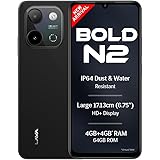
Lava Bold N2 (Indus Black, 4 GB RAM, 64 GB Storage) | 13MP AI Dual Rear Camera | Largest 6.75" HD+ Display | 5000 mAh Battery & 10W Charging | IP64 Water & Dust Proof | Charger & Phone-Case in Box
₹9,349.00 (as of October 27, 2026 17:07 GMT +05:30 - More infoProduct prices and availability are accurate as of the date/time indicated and are subject to change. Any price and availability information displayed on [relevant Amazon Site(s), as applicable] at the time of purchase will apply to the purchase of this product.)
SANDISK 128GB Ultra Go microSD Card UHS-I, Up to 190MB/s, Full HD Video, Memory Card for Android Smartphones, Tablets, 10-Year Warranty
₹1,999.00 (as of October 27, 2026 17:07 GMT +05:30 - More infoProduct prices and availability are accurate as of the date/time indicated and are subject to change. Any price and availability information displayed on [relevant Amazon Site(s), as applicable] at the time of purchase will apply to the purchase of this product.)
Watch the original video: Temporary Number for OTP Verification
Disclosure: This post may contain affiliate links. If you buy through them, Informative Media may earn a small commission at no extra cost to you.
Quick Summary
- Understand how temporary phone numbers are used for OTP verification on various apps.
- Learn the benefits of using a temporary number for privacy and avoiding spam.
- Be aware of the significant security risks and potential account recovery issues.
- Discover what to check before using a temporary number service.
- Know which services might block temporary numbers.
Amazon Finds
Recommended Products
In today’s digital world, signing up for new apps and services often means handing over your personal phone number. While convenient, many of us prefer to keep our primary number private to avoid spam or unwanted calls. This is where temporary or virtual phone numbers come into play for OTP (One-Time Password) verification. We’ll explore how these work, as demonstrated in this informative YouTube video: Temporary Number for OTP Verification.
The Problem: Sharing Your Personal Number Everywhere
Every new app, from social media to ride-sharing services, often requires phone number verification. This can lead to your number being shared across multiple platforms, increasing the risk of spam, marketing calls, and potential data breaches. For privacy-conscious individuals, this is a significant concern.
The Quick Answer: Temporary Numbers for Verification
Temporary or virtual phone numbers offer a solution by providing a disposable number that can receive SMS messages, including OTPs. These services are often used for apps like WhatsApp, Telegram, Uber, and others where a one-time verification is needed without committing your personal number long-term.
How Temporary Numbers Work for OTPs
- Service Selection: You choose a provider offering temporary or virtual numbers.
- Number Acquisition: You get a temporary number from the service, often for a limited time or usage.
- Verification Process: You enter this temporary number into the app or service requiring verification.
- OTP Reception: The OTP sent by the service is received via SMS on the temporary number through the provider’s platform.
- Account Access: You use the received OTP to complete the verification and access the app.
Pro Tips for Using Temporary Numbers
- Check Service Compatibility: Not all services accept temporary or VoIP numbers. Some explicitly block them.
- Understand Usage Limits: Many free services have limitations on usage, message types, or number availability.
- Prioritize Privacy-Focused Apps: For enhanced security, consider apps that offer end-to-end encryption. Staying updated on app features is key; check out our guide on WhatsApp New Updates to see how platform features can impact your privacy.
- Use for Non-Critical Accounts: Temporary numbers are best suited for services where long-term account access isn’t a high priority.
Common Mistakes to Avoid
- Relying on Them for Account Recovery: If you lose access to an account verified with a temporary number you no longer control, recovery can be impossible.
- Ignoring Security Risks: Some temporary number services might not offer robust security, potentially exposing your received messages.
- Assuming All Apps Accept Them: Be prepared for many services to reject temporary numbers.
- Using Them for Sensitive Transactions: Never use a temporary number for banking, financial services, or any critical personal accounts.
What to Check Before Using a Temporary Number
- Reputation of the Provider: Look for reviews and check the provider’s legitimacy.
- Terms of Service: Understand how they handle your data and message privacy.
- Number Expiration/Control: Be clear on how long you have access to the number and if you lose control over it.
- Cost vs. Benefit: Free services often come with significant limitations and risks.
Privacy and Security Risks You Should Know
While temporary numbers offer a shield for your personal number, they introduce their own set of risks. The primary concern is account security. If you ever need to recover an account (like WhatsApp or Telegram) and the temporary number is no longer active or controlled by you, you could permanently lose access. Furthermore, the security and privacy policies of temporary number providers can vary greatly. Some might log your messages or lack strong encryption, defeating some of the privacy benefits.
It’s also worth noting that services are getting smarter at detecting and blocking virtual or temporary numbers, especially for high-demand verification like new WhatsApp accounts. For managing your online presence and privacy, understanding these tools is crucial. You might also find it useful to know how to Stop Being Suggested on Instagram to further control your digital footprint.
Frequently Asked Questions (FAQ)
Can I use a temporary number for WhatsApp?
While some temporary numbers might work for initial WhatsApp verification, it’s often unreliable. WhatsApp frequently blocks virtual and temporary numbers, and using one can lead to account suspension. It’s also risky for account recovery.
Are temporary numbers safe for OTPs?
They can be safe for non-critical verifications if the provider is reputable and you understand the risks. However, they are not recommended for sensitive accounts due to potential security vulnerabilities and loss of access.
What are the risks of using a temporary number?
The main risks include losing access to your accounts if the temporary number expires or is deactivated, potential security breaches by the provider, and many services blocking these numbers entirely.
Ultimately, temporary numbers can be a useful tool for specific, low-risk situations where you want to maintain privacy. However, always weigh the convenience against the potential security and account recovery risks before using one.
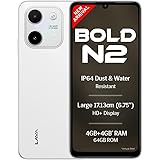
Lava Bold N2 (Siachen White, 4 GB RAM, 64 GB Storage) | 13MP AI Dual Rear Camera | Largest 6.75" HD+ Display | 5000 mAh Battery & 10W Charging | IP64 Water & Dust Proof | Charger & Phone-Case in Box
₹9,349.00 (as of October 27, 2026 17:07 GMT +05:30 - More infoProduct prices and availability are accurate as of the date/time indicated and are subject to change. Any price and availability information displayed on [relevant Amazon Site(s), as applicable] at the time of purchase will apply to the purchase of this product.)